
When Nonprofit Leaders Expect Too Little—and Too Much—from their Boards
Many leaders realize something is off with their boards when they notice the things they’re compensating for. They’re reminding people about meetings, following up on commitments, and preparing for decisions so thoroughly that there’s nothing left to discuss. Carrying this weight themselves often feels necessary and faster with the complexity of board dynamics that may be at play.
That’s a pattern Pixar intentionally avoids by putting every major film they produce through a process called the Braintrust. It’s a group of peers who review works in progress, ask hard questions, and surface risks early.
What makes it effective is its focus on clarity rather than authority. Everyone knows their role. Feedback is expected. Decisions are informed, not rubber-stamped. And no one confuses creative input with taking over the project. The Braintrust exists to create shared responsibility and accountability that supports the work rather than weighing it down.
Nonprofit leaders can adapt these principles to their boards by recognizing where they’re expecting too little, where they’re expecting too much, and where to turn to build alignment.
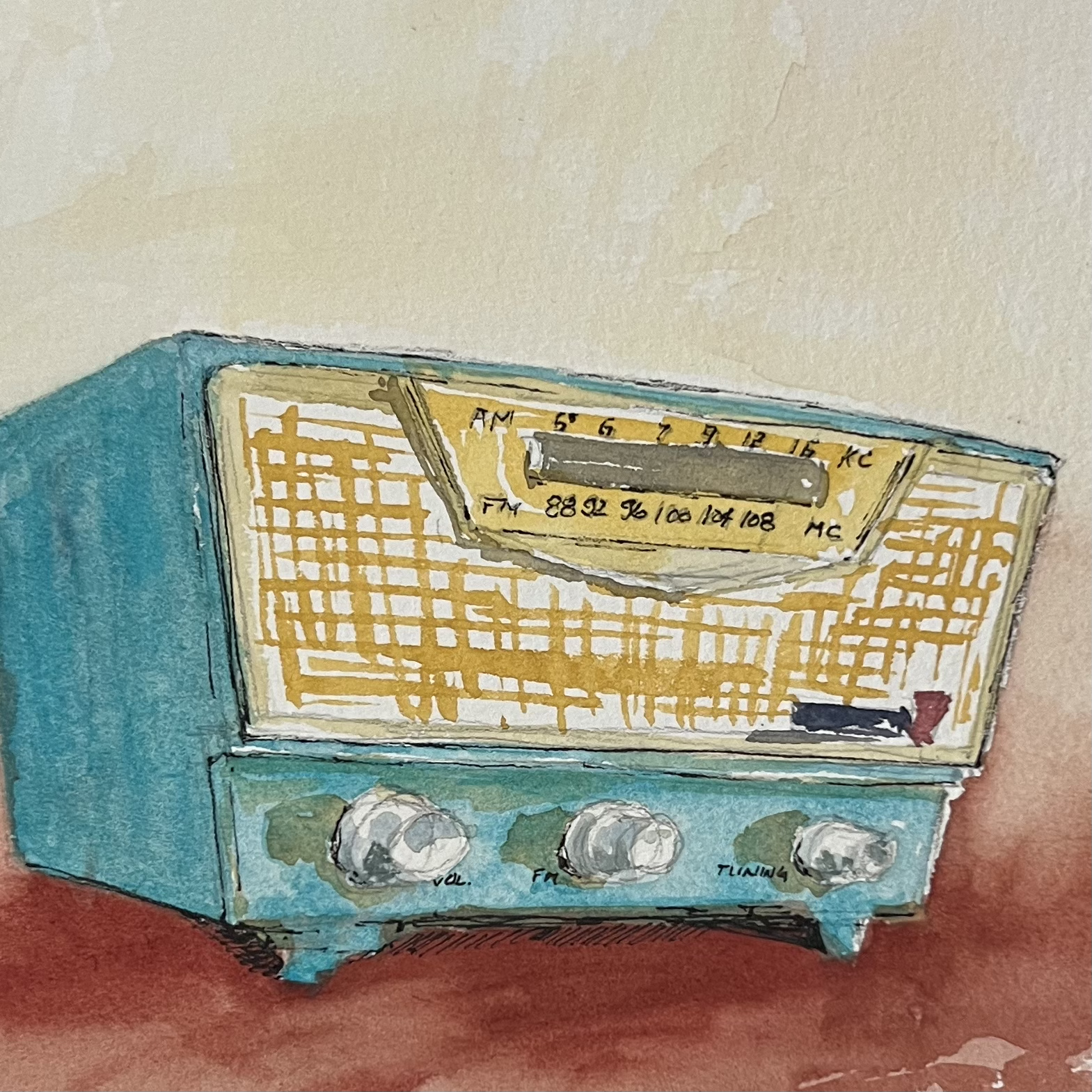
Dialing It In, watercolor by Ian Mutton
Where leaders expect too little
Expecting too little often shows up in the less-than-optimal behavior that’s tolerated. It can look like:
Board members missing meetings without notice or follow-up
Annual giving becoming a cycle of reminders and chasing
Events framed as optional rather than part of board service
Decisions approved with little strategic discussion
CEO performance reviews delayed—or skipped entirely
Each choice may feel practical on its own, but combined, they lower accountability and place more weight back on the executive.
Where leaders expect too much
At the same time, boards are often asked to carry responsibilities they are not equipped or supported to hold. These can include expectations to:
Fundraise without clear goals, skills, or tools
Open up their personal networks without guidance or structure
Make operational decisions, when their roles should be more strategic
Build strong governance practices without proper training or expertise
Engage equally, regardless of capacity or role
These expectations create confusion and uneven participation rather than strong partnership.
Where alignment is built
Even clear expectations don’t sustain themselves. This is where the board chair and governance committee matter most. Their roles are to design and maintain the system of board service, not leave it to the executive to manage alone.
These responsibilities include:
Defining expectations for attendance, giving, and engagement
Monitoring participation and addressing gaps consistently
Reinforcing boundaries between governance and management
Supporting shared learning around what good governance requires
These kinds of messages can be more persuasive when they come from peers. And when board members own this part of their roles, it makes the executive feel better supported (a really important benefit in today’s nonprofit climate).
If you could use an assist in clarifying expectations, strengthening the chair or governance function, or investing time in board education, shoot me a message or explore our board services. Board dynamics are a pervasive challenge, and you shouldn’t have to go it alone.