
I’ve seen first-hand how stepping into a nonprofit leadership role comes with quite a few surprises, especially when it comes to board dynamics. I hear the same from my clients.
Founding board members become accustomed to making decisions that now belong to staff, while new members arrive with varying levels of clarity about the expectations of their roles. Managing these dynamics can be tough, especially if you’ve just landed your first CEO position or are new to the nonprofit sector. It can feel like the blind leading the blind.
As a nonprofit grows, what it needs from its board changes. Some of the trickiest situations emerge when an organization has evolved, but the board continues to operate as it always has. Understanding the five phases of the nonprofit lifecycle can help make sense of these challenges.
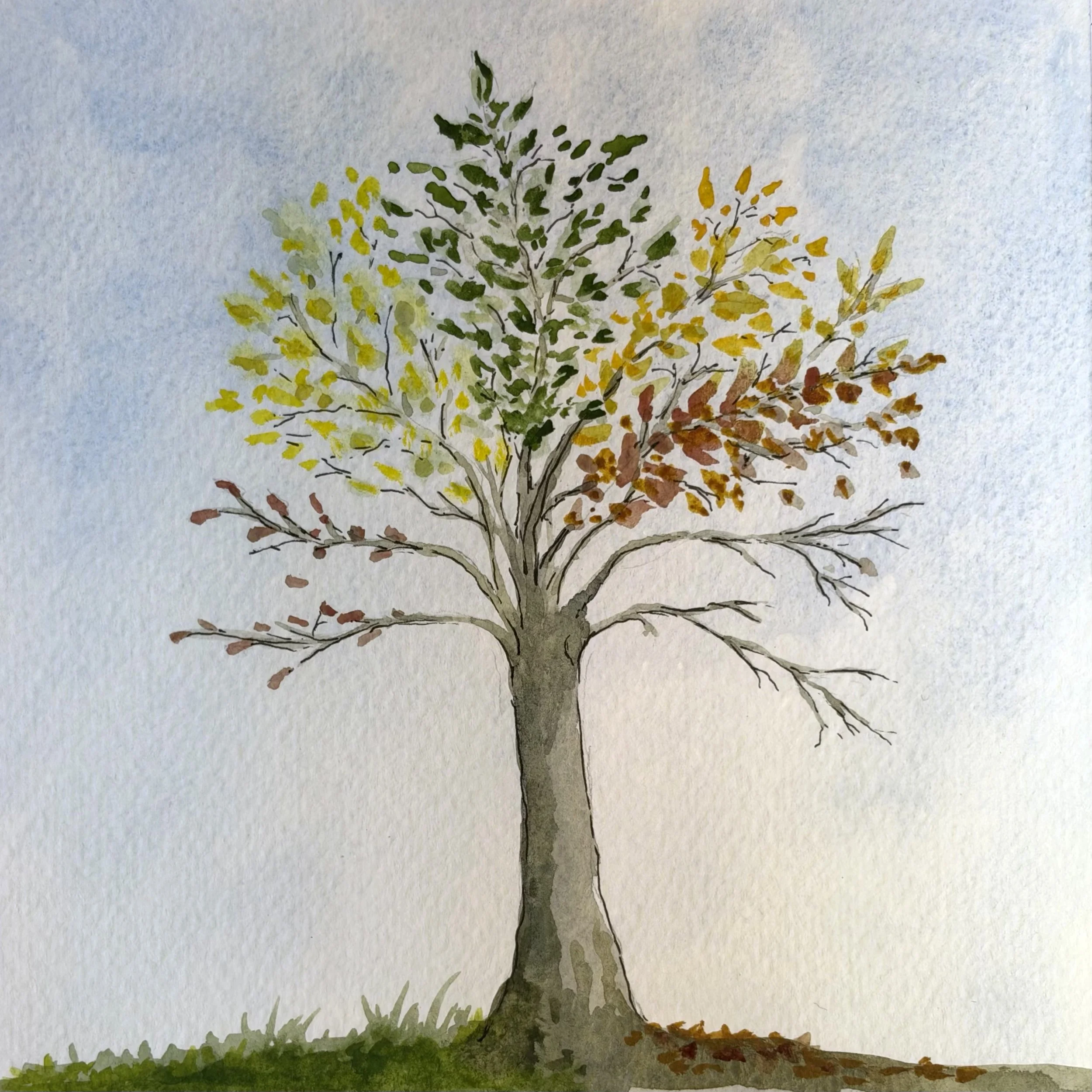
Changing Seasons, ink and watercolor by Ian Mutton
Startup: Everyone Does Everything
In the early days, board members are often passionate supporters and friends who help deliver programs, raise money, and make day-to-day decisions. Their hands-on involvement can be essential, but it can also create confusion between board and staff roles as the organization evolves.
Growth: Learning to Let Go
As programs expand and staff take on more responsibility, boards should shift from doing the work to providing oversight and direction. Longtime members may struggle to relinquish control, while newer members bring a slew of new ideas. For CEOs, that can mean navigating resistance to changing roles, while managing enthusiasm for initiatives that could stretch staff capacity or induce mission creep.
Maturity: Finding the Right Balance
When an organization has done the hard work to firmly establish its mission, systems, and funding, the board can focus on its true governance responsibilities, including strategy and long-term sustainability. Ideally, the board and CEO work as partners in this stage, but stability can also lead to complacency, when the board thinks the CEO “can handle it” without their support.
Crossroads: Feeling the Pressure
A leadership transition, funding crisis, or organizational conflict can quickly change board dynamics. Some members may jump back into operational decisions, while others disengage because the issues feel too difficult. Clear roles, a succession planning strategy, and strong board-CEO partnership are especially important here.
Renewal: Reconsidering What Works
As an organization rethinks its direction or leadership, new board members may bring fresh perspectives, while longtime members feel protective of the past. The challenge is to honor what's been built while remaining open to what needs to change.
This lifecycle isn't a straight line. Nonprofits don't move neatly through these phases and stay at maturity. A well-established organization can face a crossroads, enter renewal, or experience another period of growth. And a board may appropriately become more hands-on during a difficult transition.
When board dynamics become frustrating, it's tempting to focus on individual personalities or behaviors. But it may be more productive to start with the organization's current needs, then assess how board members’ skills and personalities fit.
These three questions can spark a proactive discussion with your board:
Where are we in our organization's lifecycle right now?
What do we need from the board at this stage?
What should we adjust or prepare for to ensure we’re meeting these needs?
You can't expect board dynamics to change if everyone is comfortable working the same way. When habits go unchallenged, they can hold the organization back from the very progress everyone is striving so hard to achieve.
If your board is struggling with changing roles, expectations, or ways of working, I’m happy to discuss what kind of board performance support can help.