
Your Board’s Most Overlooked Leadership Tool
The answer to (or cause of) your next board dilemma may already be saved in a file on your shared drive.
When nonprofit executives tell me they're struggling with board dynamics, one of my first questions is, "What do your bylaws say?" I admit, it’s not the response most people want to hear.
Bylaws rarely receive much attention after they're adopted. You might pull them out when someone realizes they can't remember how a board member is elected or whether a vote is required for a specific decision. Yet some of the most common governance frustrations I encounter can be traced back to what is—or isn’t—in the bylaws.
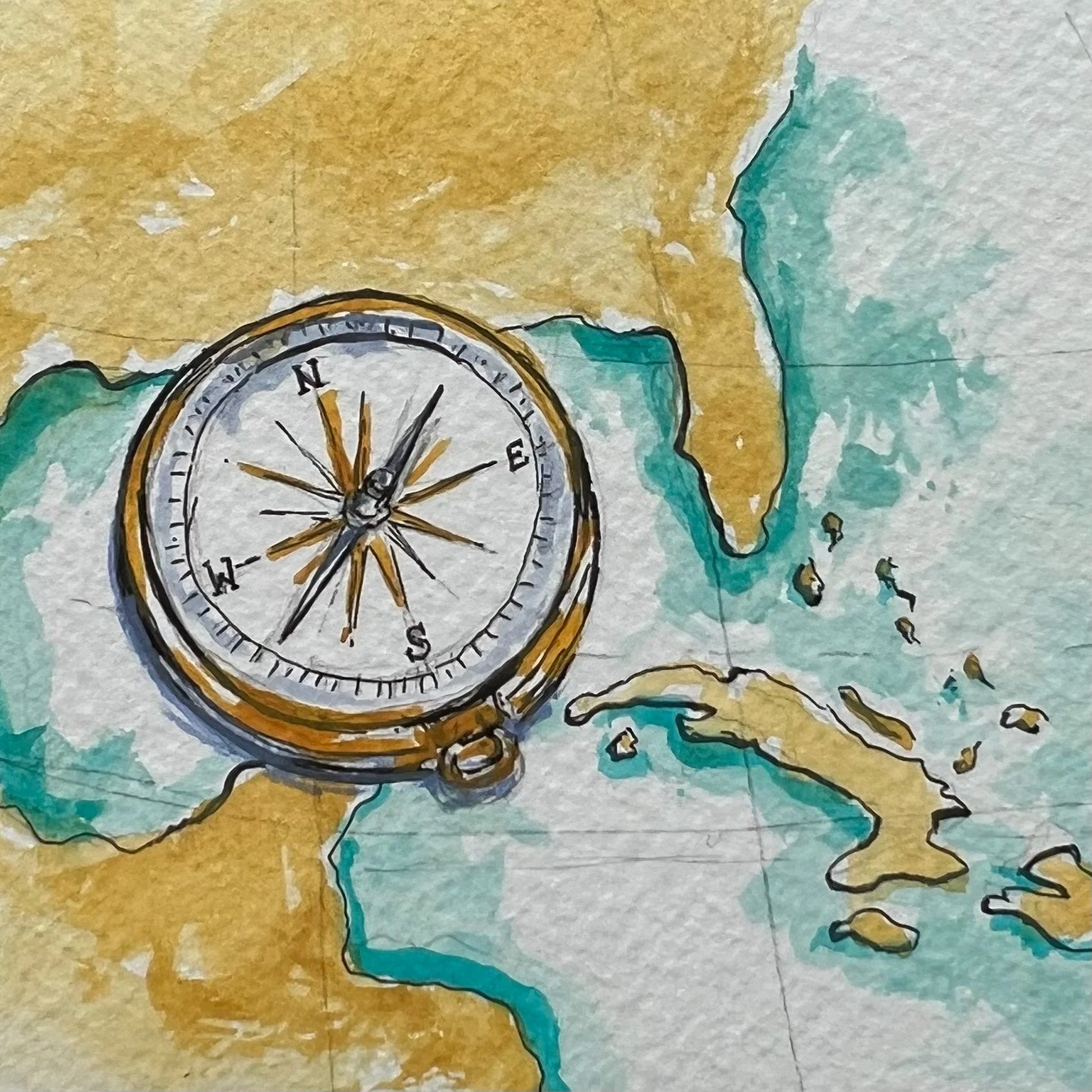
Navigation, watercolor by Ian Mutton
At their best, bylaws provide clarity before difficult situations arise and give everyone a shared point of reference when questions come up. If your bylaws haven't been reviewed in several years, here are four areas worth a closer look.
1. Do your board member terms never end?
It’s surprisingly common to see bylaws that allow board members to serve indefinitely. And while long tenure brings valuable institutional knowledge, it can also breed unwanted dynamics, limit leadership development, and fuel the perception that board service is reserved for a select group of people. One of the healthiest things a board can do is create regular opportunities for new perspectives and leadership. Term limits make that a natural part of how your board evolves.
2. Are your bylaws flexible enough to grow with your organization?
I've seen bylaws that specify the exact months for board meetings, the precise number of directors, the frequency of strategic planning, and detailed operational procedures that really belong in separate policy documents. The more specific your bylaws become, the less adaptable you are to change. Your bylaws should provide a stable governance framework, with the flexibility to evolve without formal amendments every year.
3. Do your bylaws reflect how your board actually operates?
Organizations change. And so do governance structures, committees, and guiding principles. Unfortunately, bylaws don't always keep pace. To help you manage change effectively, governing documents should reflect today's board, not the board you had a decade ago.
4. Are your bylaws a trusted tool or simply a legal requirement?
Perhaps the biggest missed opportunity is hiding your bylaws on the aforementioned shared drive and not using them to your advantage. Bylaws provide the guardrails that can help you resolve challenges, prepare for succession planning, and improve board effectiveness. They are surely the first place to turn when governance issues arise. Questions about term limits, committee authority, board vacancies, or the board's role in decision-making are much easier to navigate when everyone can point to the same agreed-upon framework.
I have a geeky affinity for bylaws for these very reasons. If yours might benefit from fresh eyes, reach out to schedule a review.